

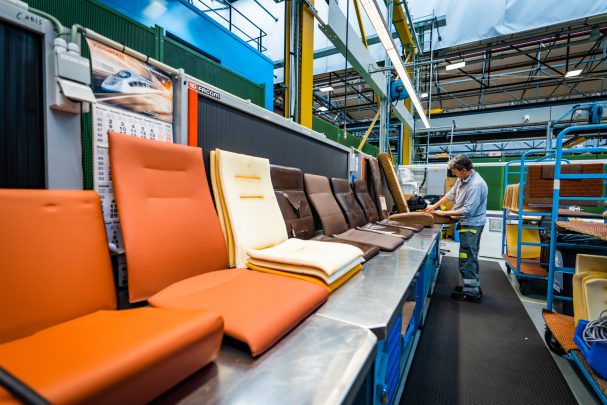
In the category ‘professions you might not expect to find at the STIB’, please meet: the upholsterers of our vehicle seats!
Vehicle seats are well looked after at the STIB, especially those on buses and trams. These leather or faux leather seats regularly need to be restored. This work is carried out in the upholstery workshop, located at Metro Center Haren (STIB’s centralized maintenance center), at the Haren depot.
The upholsterers are responsible for repairing and restoring passenger seats on buses and trams, as well as drivers’ seats. When a seat is too damaged due to natural wear and tear or an act of vandalism, it is the craftsmanship of these workers that comes into play. They receive seat backs or wooden seat bases covered with foam. It is then up to them to reupholster the seats.
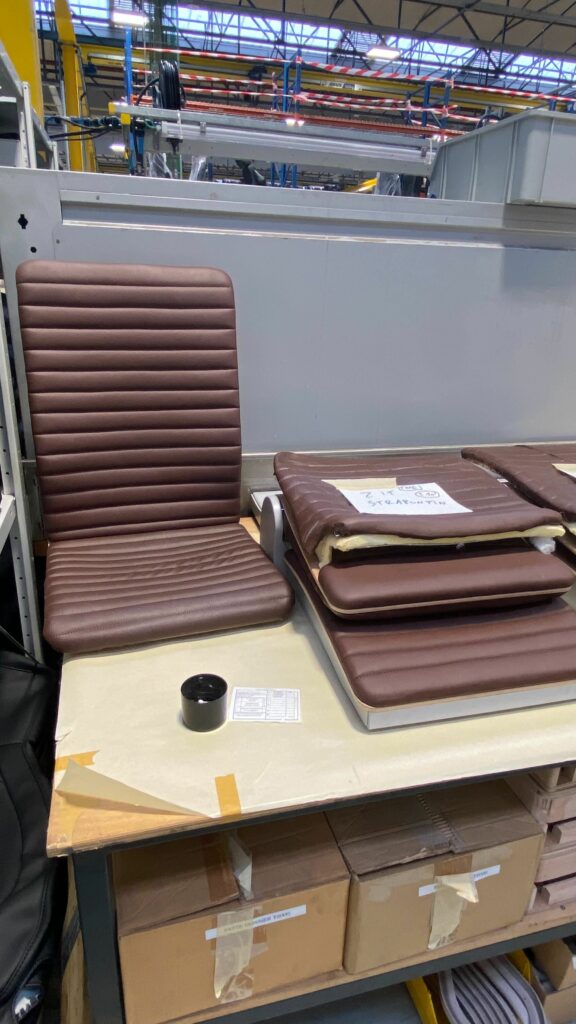
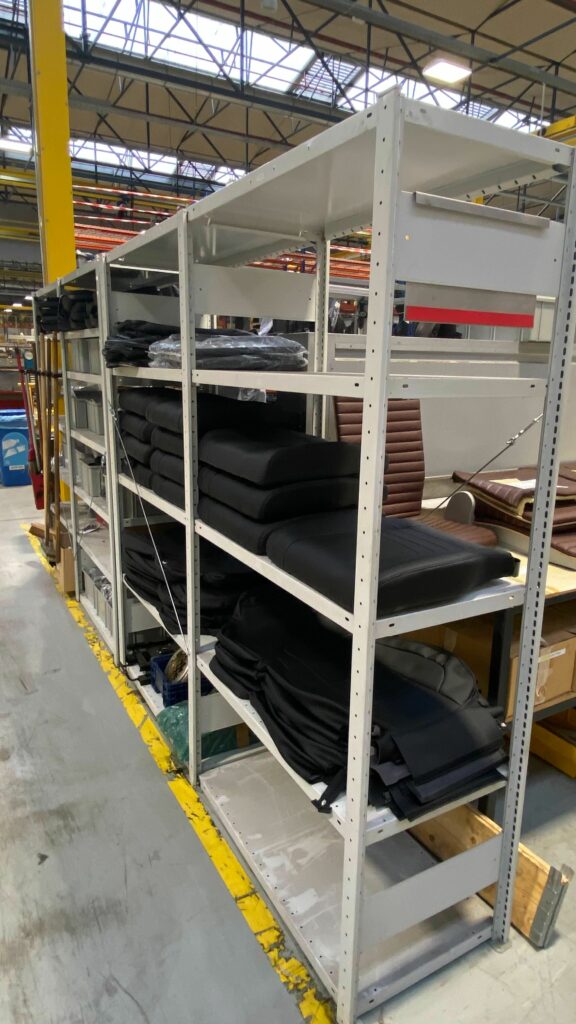
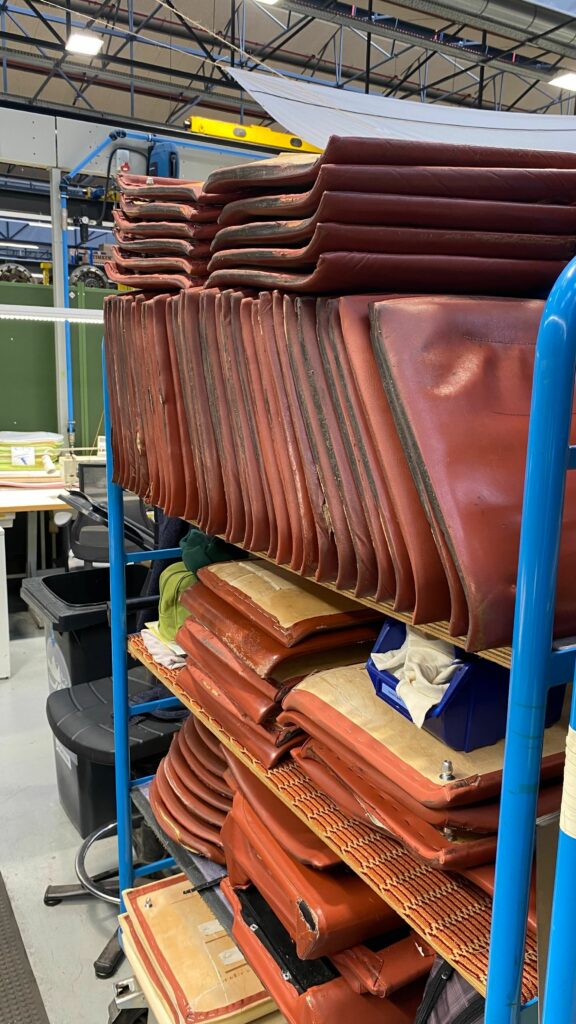
To do this, they first remove the old seat covering so that only the wooden frame remains (and, where applicable, the foam covering the seat). They then cut the new covering to the correct size, along with a small piece of fabric that will be used to stretch the leather over the seat during assembly. Finally, in the last step, the leather (or faux leather) is stretched and stapled onto the seat.
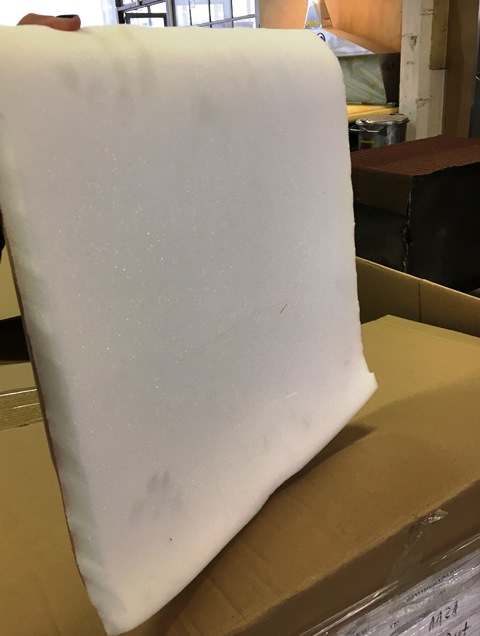
Three employees work in the upholstery workshop. On average, they restore or put back into service 300 bus seats and 1,100 tram seats each year. In addition, they completely refurbish the interiors of 55 buses and 20 trams annually. Also, around 600 driver seats are repaired each year.
Our seats have a tough life
Among the many reasons for restoring or replacing a seat, there is of course wear and tear: jeans that rub off dye, friction, and so on. But vandalism also causes damage: knife cuts in the leather, graffiti, chewing gum… If the seat cannot be cleaned, it will be restored. The leather or faux leather covering is removed and replaced with a new one, provided that the backrest or wooden seat base is still in good condition. Otherwise, the entire old seat is replaced with a new one.
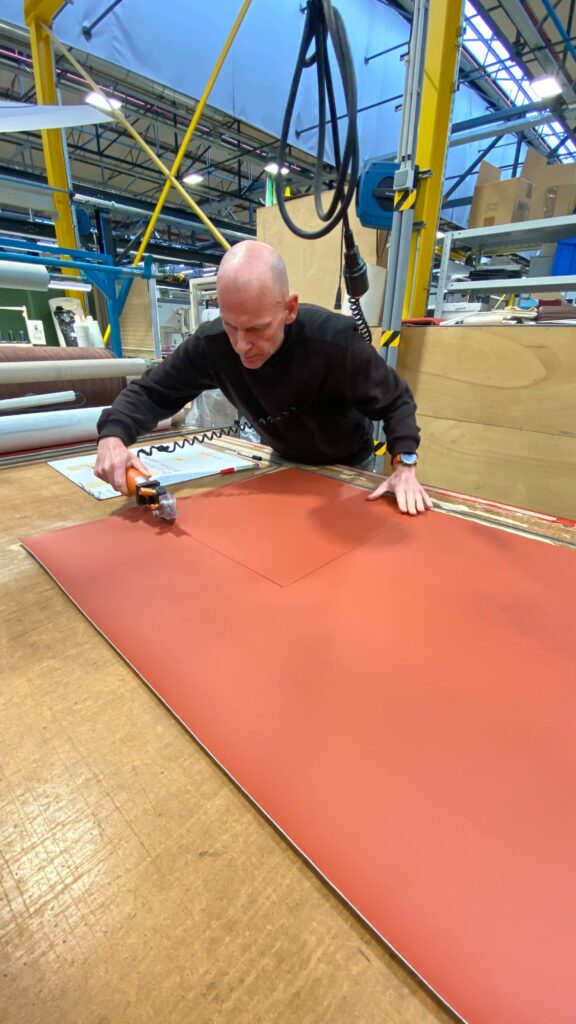
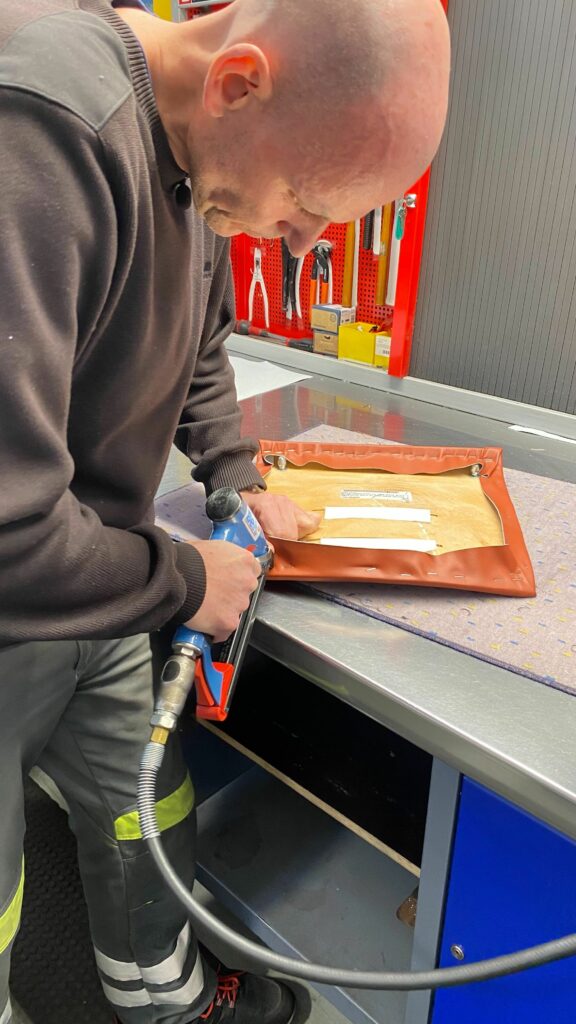
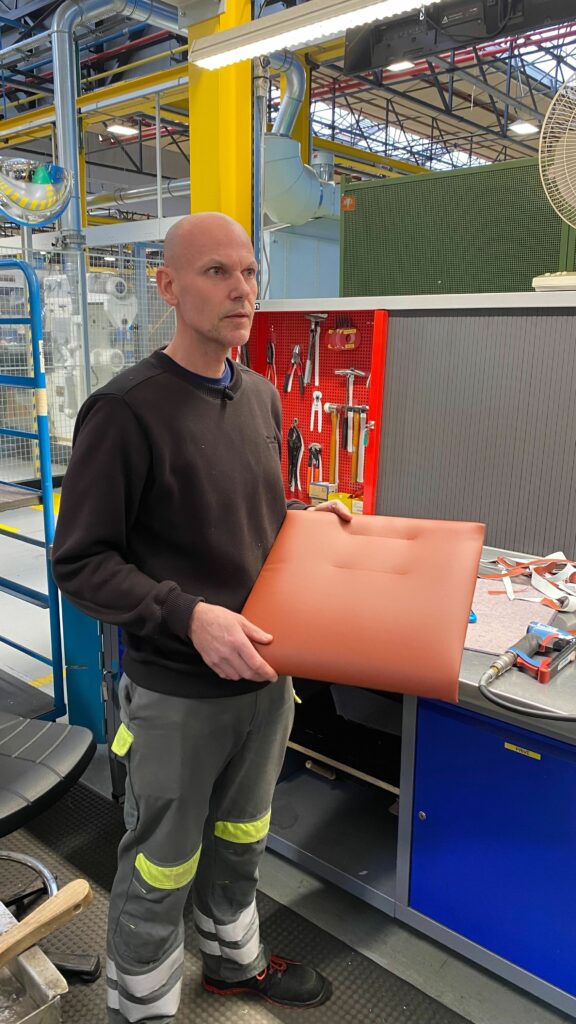
On average, it takes about 40 minutes per seat, depending on the type of covering, the model, etc. Replacing all the seats in a bus requires between 80 and 120 hours, depending on the type of bus. No specific prior experience is required, as staff are trained on site, notably by the seat suppliers. You need to enjoy working with materials and be organized and meticulous. It is, of course, a unique and versatile profession.
Did you know? Our buses’ interior is being thoroughly renovated. This is more commonly known as their “facelift.” Our upholsterers also play their part in “lifting” our buses. Dismantling, cleaning, painting: for at least five days, our teams work tirelessly to bring an older bus up to date.