
Unfortunately, more and more people are ending up on the streets, while drug use is increasing sharply across Brussels. This has negative consequences for our public transport network. In particular, the presence of drug users in metro stations creates a feeling of insecurity among passengers. What does STIB-MIVB do to address this growing phenomenon? How do we try to help homeless people and people with addictions so that you feel safer in our stations? In this blog, we explain how we tackle the issue and what additional resources we deploy.
A societal issue
The issue of drugs and homelessness clearly goes beyond the role and remit of STIB-MIVB. Our primary mission is to provide public transport in Brussels so that passengers can reach their destination smoothly. STIB-MIVB cannot be responsible for housing homeless people, supporting people with addictions, or combating drug use. These are responsibilities of the public authorities.
Drug use and homelessness are broad societal issues that are not specific to public transport. They are visible everywhere: on the streets, in the entrances of banks and large buildings, in public car parks, etcetera. The solution therefore lies in a global approach. That said, we naturally do everything we can to improve the situation on the STIB-MIVB network.
Additional resources
STIB-MIVB has been granted additional resources to help guide homeless people and drug users towards support services outside our stations:
- a specialised “includo” team is now active 24/7, helping people find appropriate shelters and support facilities, in addition to the work of partner organisations
- the team of station safety patrol officers has been expanded by 30 %
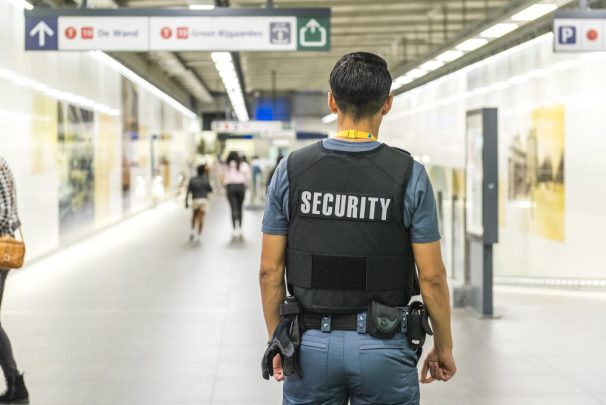
- the remit of our security staff has been extended to cover the beginning and end of the night
This highly vulnerable group has long been referred, through a humane approach, to specialised services and shelters. The additional resources mentioned above make it possible to do so in a more consistent manner.
Action on several fronts
We are fully aware of our social responsibility. That is why our staff work every day, in a spirit of solidarity, to ensure a pleasant atmosphere on public transport and in our stations.
One way of doing so is by investing in projects and partnerships for people experiencing difficulties and vulnerable individuals in our facilities. We work closely with law enforcement agencies and specialised services and organisations. We actively support non-profit organisations operating in the field, particularly in patrols, prevention, medical assistance and shelter.
We also advocate at several levels for a structured approach and actively participate in working groups on these issues.
Since 2020, as a public transport operator, we have been confronted with a significant increase in homelessness and drug addiction. We have therefore repeatedly sounded the alarm with the authorities.
In February 2023, an initial social and health-focused approach was launched through the SubLINK project. This initiative brings together STIB-MIVB, Projet Lama, Samusocial, DIOGENES, and Transit, with the support of Bruss’Help. Thanks to this coordination of resources, around one hundred people have been supported in some twelve metro and premetro stations on the STIB-MIVB network. The scope of intervention was recently extended to the SNCB-NMBS section of Gare du Midi/Brussel-Zuid.
Cooperation is essential
It is clear that our staff are not specialists in homelessness, addiction or social care, even though they regularly come into contact with these situations. This is why we work closely together with specialised organisations to which we can refer people in need. These organisations have staff with the appropriate expertise, networks and facilities. Homeless people can also access services directly through them.
As STIB-MIVB staff often act as the first point of contact, we help facilitate the work of our partners. In turn, they provide psychological, medical and social support, and refer individuals to appropriate reception facilities, shelters and tailored care.
In addition, law enforcement agencies regularly carry out targeted operations in Brussels metro stations. STIB-MIVB security staff are often present during these operations to assist, as they have detailed knowledge of the network and can support the police.
These actions aim, among other things, to escort drug users out of stations and guide them towards supervised consumption facilities outside the public transport system, to approach homeless people and offer shelter, to arrest dealers, to reclaim stations for passengers and to improve the overall feeling of safety. Unfortunately, after each operation, it is often observed that the individuals in question quickly return to their usual locations. This underlines the need for a global, integrated approach that goes far beyond the remit of a public transport operator.
The role of STIB-MIVB security staff
A 700 km network, operating up to 20 hours a day
To better understand the context, it is important to consider both the role of a security officer and the size of the Brussels network. STIB-MIVB currently operates 2,200 stops and 69 stations, covering a total of 700 kilometres of lines. To monitor this area, we rely on 300 security officers, supported by a similar number of station staff.
Given the size of the network, and despite these numbers, it is impossible for our staff to be present everywhere at all times. This is especially the case as personnel must be deployed across more than 20 hours of daily operations.
VIGILIS
In addition to being sworn officers, our security staff hold a VIGILIS accreditation. This authorisation allows them to identify infringements of transport regulations, such as travelling without a valid ticket or disruptive behaviour (smoking, graffiti, etc.). However, they do not have police powers.
Specifically, STIB-MIVB security staff with VIGILIS accreditation can:
- issue official reports for infringements and disruptive behaviour
- request identification from passengers
- detain a passenger on site for up to 30 minutes while awaiting the police if the person refuses to identify themselves
- in the event of a criminal offence, prevent a person from accessing public space for up to two hours while waiting for the police
- use handcuffs when a person poses a danger to themselves or others (for example, attempting to jump onto the tracks)
The VIGILIS accreditation is granted by the Ministry of the Interior after training as a security and surveillance officer. Staff must then pass examinations organised by Workingfor.be. Altogether, this represents a training pathway of 4 to 5 months.
It is therefore clear that STIB-MIVB security staff are only authorised to act in cases involving breaches of transport regulations. They cannot intervene in drug-related offences, which are criminal matters and fall exclusively under police jurisdiction. In cases of flagrante delicto, however, they can alert the police immediately.peut intervenir dans de tels cas. En cas de flagrant délit, nos agents peuvent cependant appeler la police.
Essential partners
Within STIB-MIVB, a Prevention & Social Cohesion team maintains ongoing contact with a wide range of partners, each specialising in a particular area. These include:
- Infirmiers de Rue, which supports the most vulnerable people in terms of health, with the aim of reintegration through stable housing
- Samusocial, which provides free emergency assistance (shelter, mobile care teams, medical and psychosocial support) to homeless people in the Brussels Region
- Doctors of the World, which delivers medical care to vulnerable groups in Belgium and worldwide
- DIOGENES, which carries out street outreach work with homeless people, notably on the STIB-MIVB network through the “Metro Connections” project, aiming to bridge the gap between the street and wider society
- Croix Rouge de Belgique , which works to alleviate human suffering and humanitarian crises
- DUNE, a non-profit organisation specialising in support and risk reduction for people with addictions
- Transit, a non-medical reception centre for adult drug users
…and many others.
All of these organisations operate on the STIB-MIVB network and in public spaces. They work daily with vulnerable populations and take a long-term approach.
The Prevention & Social Cohesion unit: awareness and prevention at STIB-MIVB
Our Prevention & Social Cohesion (P&SC) unit runs numerous projects and partnerships to address the social issues encountered on our network. Its actions target various groups, including young people, women and homeless individuals.
These initiatives include:
· campaigns for primary and secondary schools
· awareness campaigns against sexual harassment
· station improvement and enhancement projects
· socio-professional integration initiatives
· training programmes
· etc
The missions related to inclusion and social cohesion form part of STIB-MIVB’s social responsibility. They lie at the intersection of community action, the social and institutional framework, and the operational functioning of STIB-MIVB..
Cold weather periods
During severe cold spells, homeless people are exceptionally allowed to remain in our stations to keep warm. This is only a very temporary measure, as the metro is not an appropriate environment for providing social support or guiding homeless people and those with addictions towards appropriate care in a humane manner. Train operations in tunnels and the presence of 900-volt power rails represent a real risk, not only for the individuals concerned but also for critical underground infrastructure. Any damage could lead to major and prolonged disruptions to the network.
Internally, STIB-MIVB does not have the necessary resources, supervision structures or expertise to manage such situations. This is why we refer people as much as possible to our specialised partners, in coordination with the Bruss’Help platform.
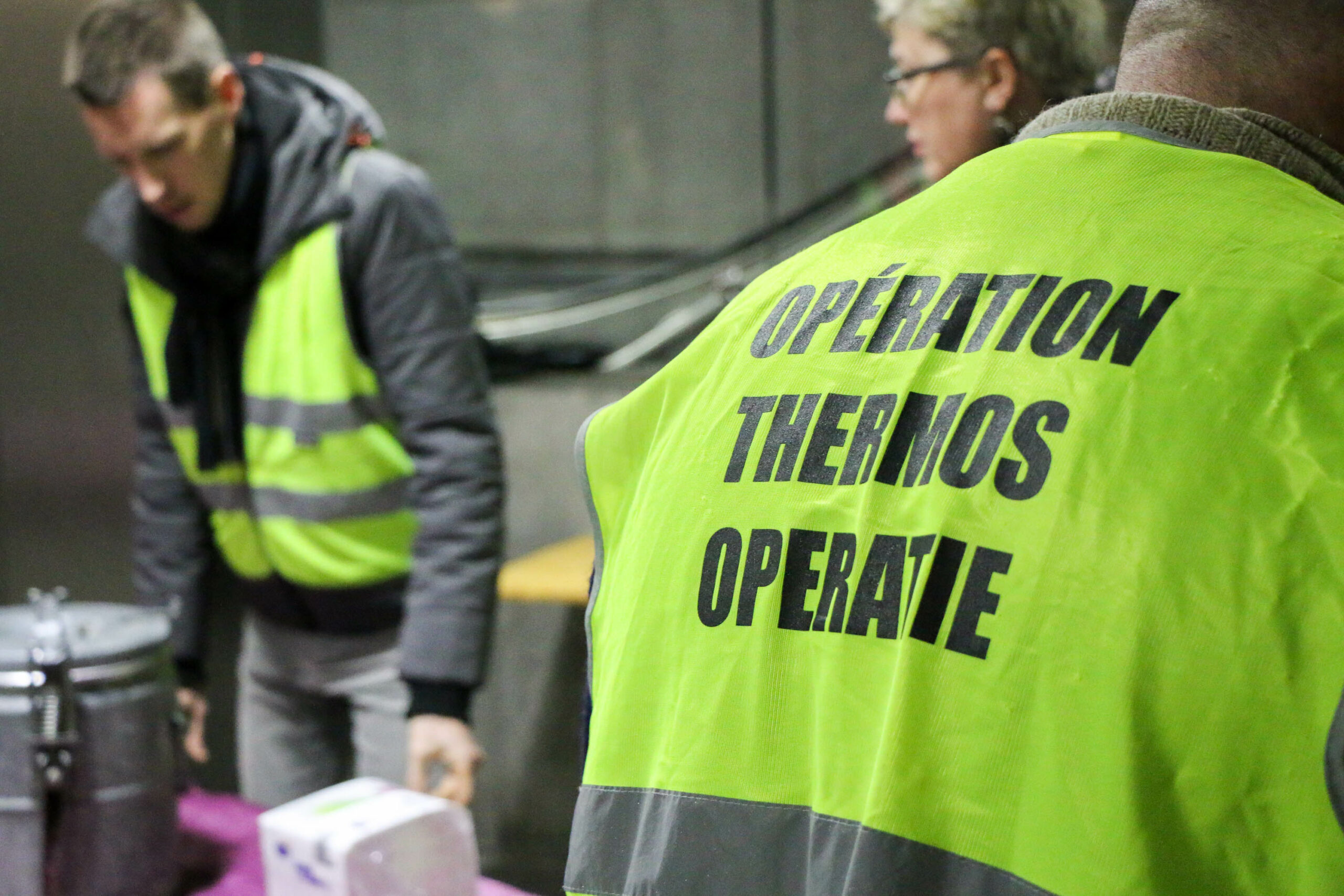
Operation Thermos
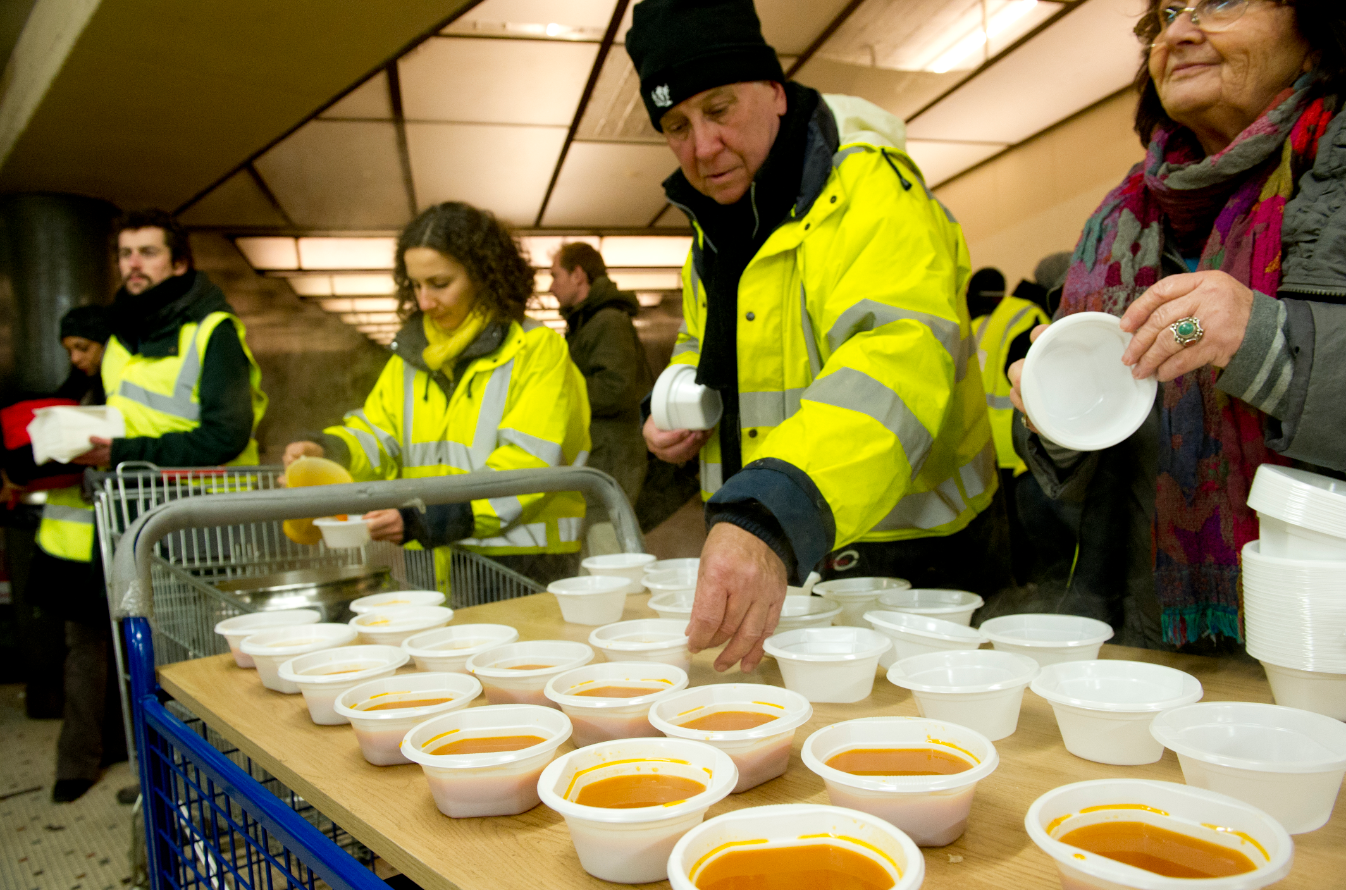
One project supported by STIB-MIVB for many years now is Operation Thermos. In winter season, from 1 November to 30 April, it provides free hot meals every evening from 8.00
pm onwards. STIB-MIVB supplies a bus and its staff volunteer around 20 days per year. Each evening, no fewer than 150 meals are distributed to people in need.
To ensure that everyone has access to information, STIB-MIVB has also installed the “Le Bon Plan” application, developed in partnership with the non-profit organisation DUNE, on the interactive terminals in our stations. This application serves as a true social “bible”, providing an overview of available support services.
Conclusion
Homelessness and drug use in the Brussels metro constitute a very serious, structural issue. The solution clearly lies in an integrated approach that combines prevention, shelter, and the actions of specialised services and law enforcement.
We address the issue wherever we can, in a structured way and in close cooperation with the authorities. Nevertheless, it remains a complex societal challenge that must be tackled at the root.